What is a biological microscope?
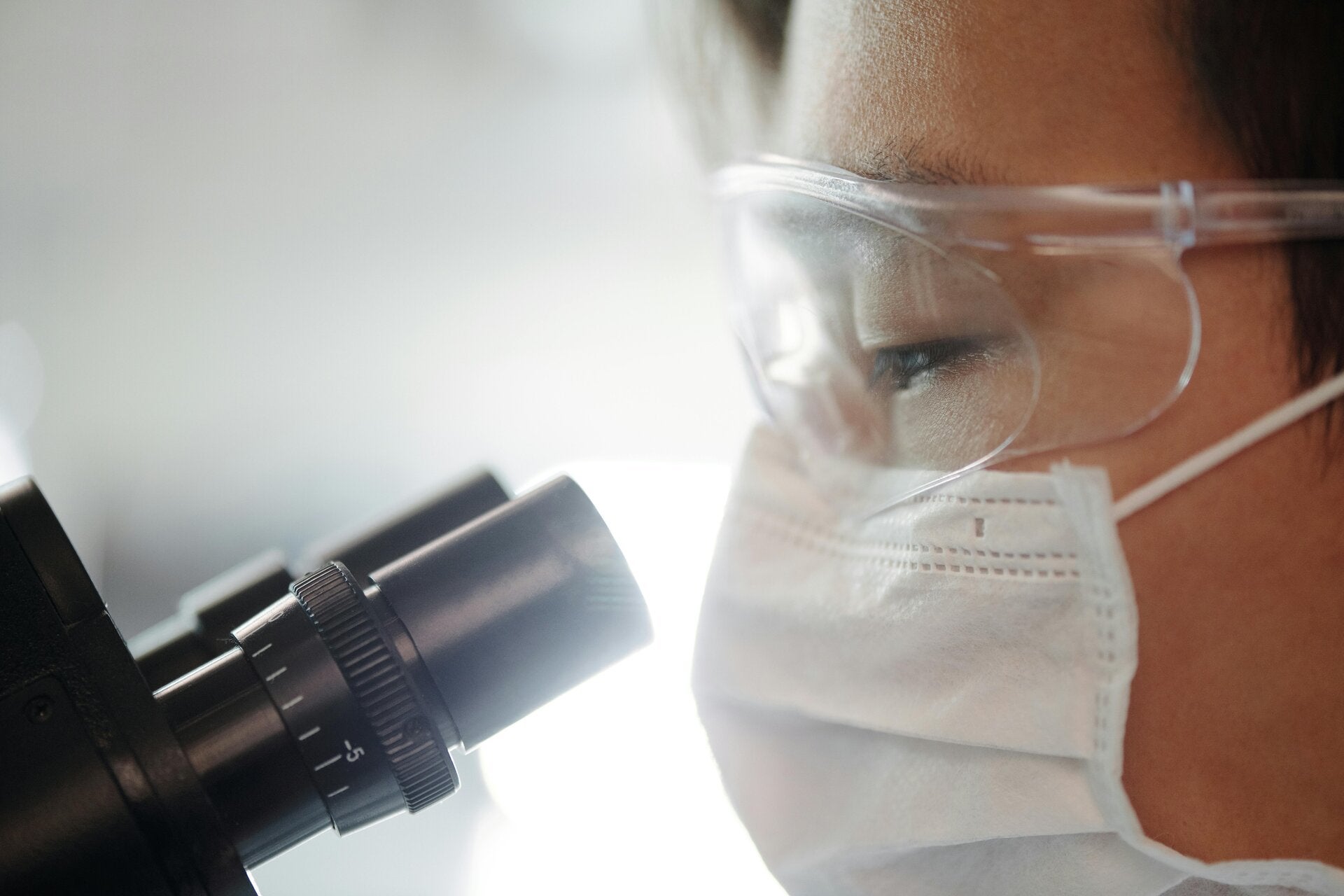
Discover the world of biological microscopes at Microscope Shop. Learn what a biological microscope is and what it is used for. We offer quality microscopes at a fair price. Perfect for anyone who wants to study structures and learn more about the microscopic world.
Understanding the microscope
Biological microscopes are essential for studying structures that are naturally transparent, such as water, blood, and thin sections of plant, animal and human tissue. These microscopes allow you to see details that are invisible to the naked eye.
Magnification and applications
To view specimens effectively, biological microscopes offer considerable magnification, ranging from 4x up to 1000x and more. This makes it possible to observe macros and structures at cellular level. Ideal for students, researchers and hobbyists who want to explore the microscopic world.
Quality and price at Microscope Shop
At Microscope Shop, the balance between price and quality is central. We offer high-quality biological microscopes at a fair price, making them accessible to a wide audience. Discover our range and find the perfect microscope for your needs.
Viewing a specimen
- Place the specimen on the stage. Clamp it between the clips to prevent it from shifting. Make sure the object lies above the hole in the stage.
- Start focusing with the smallest magnification (10x eyepiece in the tube and 4x objective directly under the tube). Then turn the nosepiece and point the smallest objective lens (4x) downwards.
- Turn on the lamp. Set the illumination with the diaphragm so that you see a brightly lit, round field.
- Using the large knob, raise the stage so that the objective sits only a few mm above the specimen. Look from the side while doing this.
- Look through the eyepiece with a relaxed eye and keep your other eye open. Now slowly lower the stage with the small knob until a sharp image appears.
- Close the diaphragm somewhat if the image is too brightly lit. Adjust the focus if necessary with the small knob.
- Look in the specimen for a part you want to examine more closely and move it to the center of the image.
- For a stronger magnification, without turning the adjustment knobs, swing another objective (10x) into place. Adjust the focus with the small knob.
In all cases, make sure the objective does not touch the specimen. The lens may be damaged and the slides may break.